


On April 4th and April 11th, animation artists from Westchester will host film screenings of Autistic Mode, an anthology of animatic films by local creators on “the edge of the autism spectrum”. The project provides a fun way to peek into the realities of the autistic experience, while expanding the understanding about the condition through fantastical artistic expression.
The film starts with an obnoxiously ticking clock, the sound steady, loud, and grating. It lingers for an uncomfortable amount of time, and just as you begin to wonder when the ticking will stop, you're snapped into a classroom and introduced to a character trying to get work done amidst distractions undetected by their peers.
You have now entered the realm of neurodivergence.
Autistic Mode is an animatic film anthology, which is a collection of story prototypes in the storyboarding phase of an animation. The projects are made using fewer frames per second, but they provide a rough idea of a project’s potential. But don’t let this fool you. Even at this early stage of completion, these works of art contain just enough to transmit the story’s vision while also inviting audiences to exercise their imaginations and fill in the gaps between frames. The film contains six unique stories in various styles, anchored by the longest, Dreamcatchers, a science fiction detective story by project lead Bob Clark. His story is told in chapters with the shorter projects woven throughout, providing periodic breaks in the Dreamcatchers narrative.
It is within those “missing” frames that audiences can imagine the full potential of these projects should they receive support for further development. This is one of many ways Autistic Mode embodies the experience. The common understanding is that autistic people are "missing something", instead of simply having different needs. Autism is a complex developmental disorder with a variety of manifestations. Many people go undiagnosed and never get what they need to reach their full potential, or are judged as incapable because of the accommodations needed to function.
But for the project's producer and creator, Bob Clark, Autistic Mode is about the “allowance for limitations” and forgoing perfection in the name of creative exploration. For example, when one featured story, Hard Mode by Nix Busby, couldn’t re-record voice-overs, they were forced to accept it. “Because his story was set in a video game, and video games often have in-game text… I think it’s actually better for not having all the lines voiced and accept the limitations there. It makes sense for the story, and, two, it expresses a [nonverbal] level of the autistic experience that I think doesn't tend to be represented a whole lot,” he explained during a virtual interview with The Leveler News.
The official 'Autism Mode' film trailer
When Clark was 14 years old, a positive illustrated depiction helped him become comfortable being associated with autism.
In the 1990s, he came across the Japanese Manga Ghost in the Shell at a bookstore. He recalled the story mentioning “somebody shutting off their cyber brain from being attacked by a viral virus attack or something, you know, cyberpunk stuff,” he said. “The term they use for that is 'cyber brain autistic mode.” Clark chose that name for the project because 'that was the first time that I saw autistic beings used in a terminology that was not just, like, a pathology.”
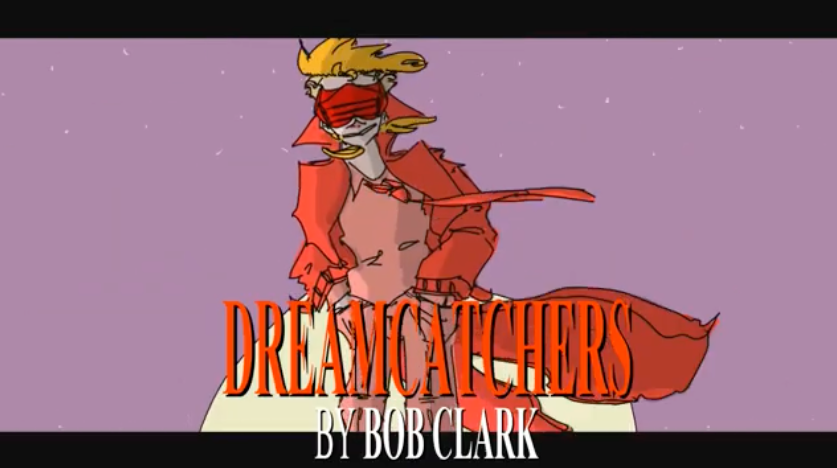
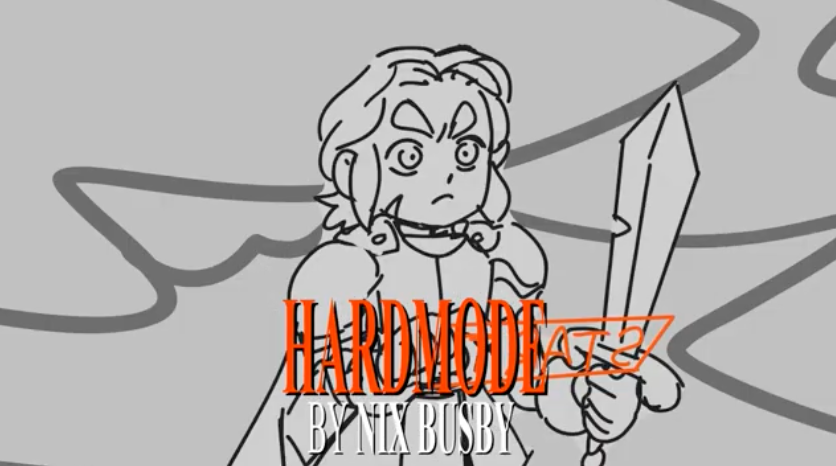
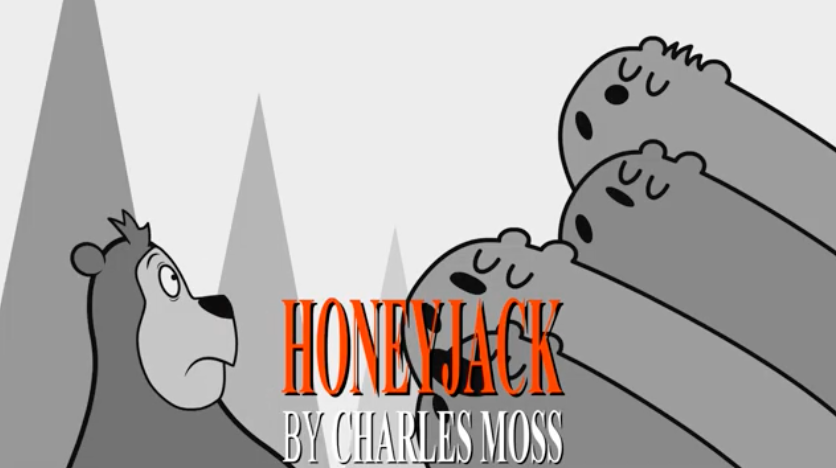
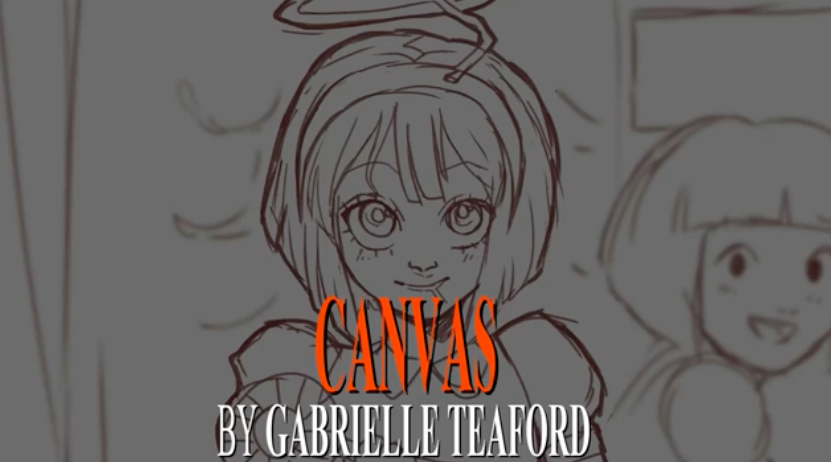
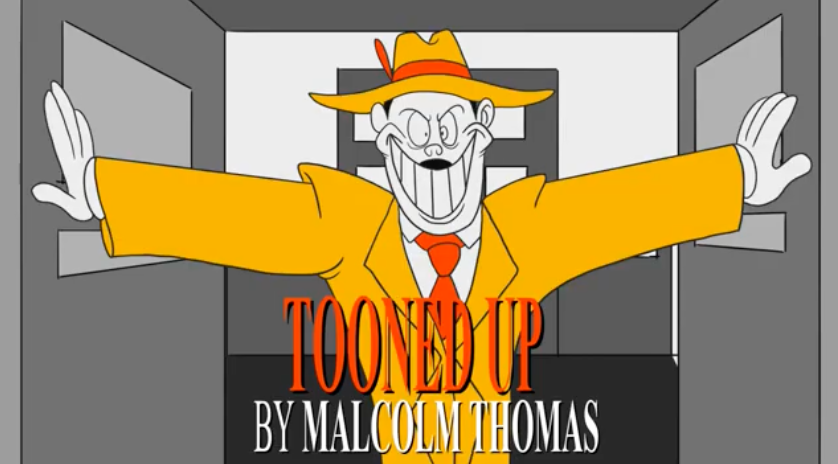
'Autism Mode' features several films, all with their own animation style. Each project was written and directed by a creator with autism.
Now, the animators are passing on their visions of nuanced, positive, and heartfelt self-realization to Westchester audiences. “[Autistic Mode] became the perfect way of expressing what I was looking for, a sense of autistic cool, autistic style…it's something that I wanted to have… something that would have been good for me at that age.”
The initiative came into existence when a group of professional animators was commissioned for a project that was later cancelled. When it was discovered they all shared a connection, Clark sprang into action to maintain the momentum. “It turned out that a bunch of us were on the autism spectrum. And when I heard that, I thought to myself, Okay, I think that we could get a grant for that.” The group secured a $10,000 grant from ArtsWestchester. The fund was enough for them to produce Autistic Mode.
The anthology-style format was inspired by the animation Robot Carnival, a cult classic film, featuring several unrelated storylines, each about robots. “There was each person doing whatever they want within the broad spectrum of interpreting autism,” said Clark, “so that you have a real diverse array of different kinds of shorts to show off, not only the full range of what autistic people can do, but also the full range of what each of these animators can do on their own.”
Gabrielle Teaford, the writer and director behind Canvas, created what she describes as a "love letter to her grandparents." She learned animation by taking select classes and YouTube videos. "I want creative people, especially neurodivergent artists, to know that they are not alone in their struggles," she said. "We as artists often just have to grin and bear how we get treated in the industry, being told, “Well, that’s just the way it is!” It’s a very hard thing to hear. Regardless of how the world decides to move forward, you should still be proud of the work you are able to make, without exception. After all, it was *you* who made it, right? That kind of thing is irreplaceable and magical."
Charles Moss is a traditionally trained animator and director of HoneyJack, a 1960s-style animatic about a bear's hyperfixation, which causes him to struggle socially. “My inspiration for HoneyJack is based on how I used to drive my classmates nuts about my obsession with movies,” he said. “That was literally all I talked about when everyone else talked about sports, dating, clothes, etc."
"I want people to come away entertained and nostalgic with the 60s Hanna-Barbera art style while also acknowledging how we really want to fit in despite our hyper fixations. And I also hope that autistic viewers can see themselves in this story and find that you can find your community in a world that seems against you."
Bob Clark started off as a writer for video games before turning to animation. His story Dreamcatchers is based on real dream journals he kept when he was younger. "Ultimately, the main theme of my film, and the collection overall, is the importance of connection. We all carry our own subjective operating systems within our heads, and the software we run on doesn't necessarily translate exactly from person to person, especially when the majority is running on something different. All we can really ask is that the world tries to meet us halfway."
April is Autism Acceptance Month, and Autistic Mode succeeds in bringing new perspectives to the condition in an engaging, funny, and heartfelt way. Don’t be surprised if you find yourselves on the edge of your seat as these stories unfold.
Saturday April 4, 1pm– Yonkers Library (Wills Branch, Central Ave)
Saturday April 11, 12pm– Sixth Borough Film Festival, Riverdale
Saturday April 11, 2pm– New Rochelle Library
